
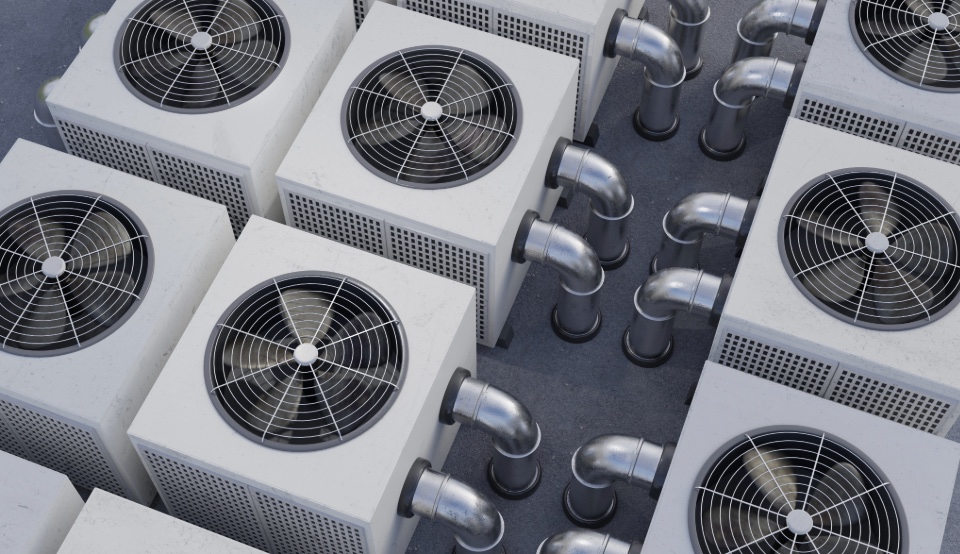
In the commercial real estate landscape of London, the management of building services has transcended simple maintenance to become a cornerstone of asset valuation, regulatory compliance, and operational continuity. For facility directors, property developers, and sustainability officers, the climate control infrastructure is not merely an amenity; it is a critical operational asset that directly influences tenant retention, energy performance ratings, and the integrity of sensitive inventory or data. Whether managing a heritage-listed office block in Merton, a high-density data center in Central London, or a precision retail environment in Chelsea and Westminster, the strategic selection and upkeep of commercial air conditioning systems are paramount to long-term business success.
This guide provides a comprehensive analysis of modern HVAC and refrigeration technologies, focusing on the technical nuances, regional challenges, and risk mitigation strategies essential for decision-makers operating across South London and the capital. By understanding the intersection of engineering excellence and business requirements, stakeholders can optimize their infrastructure to meet stringent environmental codes while maximizing return on investment.
The Evolution of Commercial Climate Control as a Strategic Asset
Historically, air conditioning was viewed primarily as a comfort provision. Today, the paradigm has shifted decisively. Climate control systems are integral to health and safety protocols, energy efficiency mandates, and building automation. Modern commercial air conditioning systems are expected to deliver precise humidity control, superior indoor air quality (IAQ), and seamless integration with Building Management Systems (BMS).
For asset managers in Wandsworth and Lambeth, where building portfolios often span diverse architectural styles and ages, the focus is on retrofitting technology that enhances energy performance without compromising structural integrity. The implementation of smart sensors and variable speed drives allows facilities to reduce carbon footprints significantly, aligning with the Greater London Authority's ambitious net-zero targets. Furthermore, in sectors such as healthcare and pharmaceuticals located in Bermondsey, the reliability of climate control is a matter of regulatory compliance and patient safety, demanding zero-tolerance approaches to system downtime.
Technology Matrix: Split, Multi-Split, and VRF/VRV Systems
Selecting the appropriate technology stack is the first critical decision in the lifecycle of a commercial HVAC project. The market offers distinct solutions, each tailored to specific scale, zoning, and efficiency requirements.
Split Systems
Split systems remain a robust choice for smaller commercial premises, such as individual retail units, clinics, or boutique offices. These systems comprise a single outdoor condenser connected to one indoor evaporator unit. Their simplicity offers lower initial capital expenditure and straightforward installation, making them ideal for properties in Croydon Sutton where budget constraints may be a primary driver. However, split systems lack the scalability required for larger multi-zone environments. Managing temperature across multiple rooms with separate split units can lead to aesthetic clutter and operational inefficiency, as each unit operates independently without centralized optimization.
Multi-Split Systems
For properties requiring climate control in several distinct zones but lacking the complexity to justify a full VRF installation, multi-split systems offer a balanced solution. A single outdoor unit can support multiple indoor units, allowing for independent temperature control in different rooms. This is particularly advantageous for professional practices, such as law firms in Richmond Kingston, where conference rooms and private offices have varying occupancy patterns and heat loads. Multi-split systems provide improved energy savings compared to older technologies, though they still operate on fixed-speed compressors, which can limit efficiency during partial load conditions.
VRF and VRV Systems
Variable Refrigerant Flow (VRF) and Variable Refrigerant Volume (VRV) systems represent the pinnacle of commercial air conditioning systems technology. These advanced solutions utilize inverter-driven compressors to modulate refrigerant flow precisely to each indoor unit based on real-time demand. Key advantages include:
- Heat Recovery: VRF systems can simultaneously heat and cool different zones. This is invaluable for multi-tenant buildings where internal zones may require cooling due to server loads while perimeter zones need heating.
- Energy Efficiency: By avoiding the on/off cycling of traditional systems, VRF/VRV technology can reduce energy consumption by up to 30% compared to standard HVAC setups.
- Scalability and Design Flexibility: These systems support extensive piping runs and a high number of indoor units, making them suitable for large developments in Central London or sprawling campuses in Merton.
- BMS Integration: VRF systems offer robust connectivity options, allowing facility managers to monitor and control HVAC performance remotely, optimizing schedules, and diagnosing issues proactively.
For developers prioritizing long-term operational costs and sustainability credentials, Split, multi-split, and VRF/VRV systems must be evaluated against the specific load calculations and usage patterns of the building. In many cases, the superior efficiency of VRF technology yields a faster payback period, justifying the initial investment.
Commercial Refrigeration: Compliance and Cold Chain Integrity
While air conditioning focuses on human comfort and environmental control, Commercial Refrigeration is often critical for business viability, particularly in retail, hospitality, and logistics. A failure in a refrigeration system can result in catastrophic inventory loss, regulatory penalties, and reputational damage.
In Chelsea and Westminster, where high-end dining and luxury retail are prevalent, refrigeration systems must be both powerful and discreet. Noise and vibration can disrupt the customer experience, requiring specialized installation techniques and low-decibel equipment. Similarly, in Croydon Sutton, where industrial and commercial activities are mixed, refrigeration solutions must be robust enough to withstand heavy usage cycles and varying environmental conditions.
Modern Commercial Refrigeration is also subject to rigorous environmental regulations. The global phase-down of high-global warming potential (GWP) refrigerants, governed by F-Gas regulations, requires businesses to transition to low-GWP alternatives or natural refrigerants like CO2 and ammonia. Upgrading to compliant systems is not only a legal requirement but also a strategic move to future-proof assets against tightening environmental legislation. Property managers in Lambeth and Wandsworth are increasingly auditing their refrigeration assets to ensure alignment with these standards, often incorporating heat recovery from refrigeration cycles to provide free hot water for domestic use, thereby enhancing overall building efficiency.
Geographic Service Landscape and Local Challenges
The diversity of London's commercial landscape presents unique engineering and logistical challenges. A one-size-fits-all approach to HVAC and refrigeration is ineffective; solutions must be tailored to the specific context of each borough.
Merton and Wandsworth
These areas feature a mix of residential and commercial properties, often with older buildings that require careful retrofitting. Installing new commercial air conditioning systems in these locations frequently involves navigating listed building restrictions or conservation area guidelines. Technicians must be skilled in discreet installations that preserve architectural integrity while delivering modern performance. In Wandsworth, the growth of co-working spaces demands flexible HVAC solutions that can be easily reconfigured as tenant layouts evolve.
Lambeth and Croydon Sutton
Lambeth, with its diverse mix of office spaces, cultural venues, and educational institutions, requires versatile climate control strategies. VRF/VRV systems are popular here due to their ability to handle complex zoning requirements and high ceilings in venues like theaters. In Croydon Sutton, the expanding commercial sector demands reliable infrastructure. Businesses in these areas often prioritize cost-effectiveness and uptime, making Split and multi-split systems attractive options for smaller enterprises seeking dependable performance.
Richmond Kingston
As one of the most affluent areas in London, Richmond Kingston places a premium on aesthetics, sustainability, and service quality. Clients here often seek premium Commercial Refrigeration and air conditioning solutions that are not only efficient but also visually unobtrusive. The demand for green building certifications, such as BREEAM and LEED, drives the adoption of advanced technologies and sustainable practices in this borough.
Central London, Chelsea, Westminster, and Bermondsey
The heart of London's business and cultural life presents the most complex challenges. High-rise buildings in Central London require sophisticated vertical distribution systems and robust logistics for maintenance access. In Chelsea and Westminster, the prestige of the location demands the highest standards of service and technology. Bermondsey, with its revitalized industrial and creative spaces, offers opportunities for innovative climate control solutions that blend with the area's unique character, often involving bespoke ductwork and aesthetic indoor units.
Operational Resilience and Emergency Protocols
Even the most advanced commercial air conditioning systems are susceptible to breakdowns due to mechanical wear, electrical faults, or external factors. For businesses operating in high-stakes environments, a system failure can disrupt operations, compromise sensitive equipment, or endanger occupants. This is where a reliable Emergency breakdown response service becomes indispensable.
In Central London, where every minute of downtime can translate to significant financial loss or compromised patient care in medical facilities, rapid response times are critical. Professional service providers in Merton, Wandsworth, and Lambeth offer 24/7 emergency support, ensuring that technicians are available to diagnose and repair issues promptly. This responsiveness minimizes downtime and protects the business from the cascading effects of a climate control failure.
Preventative maintenance is equally vital. Scheduled maintenance checks can identify potential issues before they lead to catastrophic failures. These checks include cleaning filters, inspecting refrigerant levels, testing electrical components, and lubricating moving parts. For businesses in Richmond Kingston and Bermondsey, a comprehensive maintenance plan can extend the lifespan of equipment, improve energy efficiency, and maintain warranty coverage. Regular servicing also ensures that systems operate at peak efficiency, reducing energy bills and carbon footprint.
Sustainability and Future-Proofing
The commercial sector is under increasing pressure to reduce its environmental impact. Air conditioning and refrigeration systems are major contributors to a building's energy consumption and carbon emissions. Future-proofing these assets involves selecting equipment with high seasonal energy efficiency ratios (SEER) and integrating them into smart building ecosystems.
Businesses are increasingly adopting hybrid systems that combine HVAC with renewable energy sources, such as solar thermal or heat pumps. In Merton and Wandsworth, property developers are leveraging these technologies to achieve net-zero carbon targets. Additionally, the use of natural refrigerants in Commercial Refrigeration systems is becoming a market standard, driven by both regulatory mandates and corporate social responsibility goals. By prioritizing sustainability, commercial property owners not only contribute to environmental preservation but also enhance their market appeal to eco-conscious tenants and investors.
Frequently Asked Questions
What are the main types of commercial air conditioning systems available?
The primary types include Split systems, multi-split systems, and VRF/VRV systems. Split systems are ideal for single rooms or small offices. Multi-split systems connect multiple indoor units to one outdoor unit, suitable for multi-room properties. VRF/VRV systems offer advanced zoning and heat recovery, making them suitable for large, complex buildings.
Why is regular maintenance important for commercial air conditioning systems?
Regular maintenance ensures that systems operate efficiently, reduces the risk of unexpected breakdowns, extends the lifespan of the equipment, and maintains indoor air quality. It can also help in complying with warranty requirements and energy regulations, ultimately saving costs over time.
What is an Emergency breakdown response service?
An Emergency breakdown response service provides rapid assistance when a climate control system fails unexpectedly. This service is crucial for minimizing downtime and preventing business disruption, especially in critical environments like hospitals, data centers, and retail spaces where temperature control is vital.
How do VRF/VRV systems differ from traditional split systems?
VRF/VRV systems use variable refrigerant flow to modulate the amount of refrigerant circulated to indoor units, allowing for precise temperature control in multiple zones simultaneously. Traditional split systems typically cycle on and off and are less efficient for large or multi-zone applications. VRF/VRV also offers heat recovery capabilities.
What areas do you serve for commercial refrigeration services?
We serve a wide range of areas including Merton, Wandsworth, Lambeth, Richmond Kingston, Croydon Sutton, Central London, Chelsea, Westminster, and Bermondsey. Our coverage ensures that businesses across South London and the capital have access to expert Commercial Refrigeration support.
Are there environmental regulations for commercial refrigeration?
Yes, there are strict regulations regarding the use of refrigerants, particularly those with high global warming potential (GWP). Businesses are encouraged to upgrade to systems using low-GWP or natural refrigerants to comply with current and future environmental standards, such as F-Gas regulations.
How can air conditioning impact employee productivity?
Optimal temperature and air quality can significantly enhance concentration, reduce fatigue, and improve overall job satisfaction. Poor climate control can lead to discomfort, distraction, and decreased productivity, making commercial air conditioning systems an investment in human capital and operational performance.
What should I look for in a commercial air conditioning service provider?
Look for providers with extensive experience, local knowledge, comprehensive service offerings (including emergency response), and a commitment to quality and compliance. Providers who understand the specific architectural and regulatory challenges of your area, such as in Central London or Merton, are ideal partners. For comprehensive system design and installation across these regions, explore [expert commercial air conditioning solutions].
Can commercial air conditioning systems be integrated with building management systems?
Yes, modern commercial air conditioning systems, particularly VRF/VRV systems, can be integrated with Building Management Systems (BMS). This allows for centralized control, monitoring, and optimization of climate control across the entire facility, improving operational efficiency and data-driven decision-making.
How do I choose between a Split and a multi-split system?
Choose a Split system if you need to control a single room or a small area. Opt for a multi-split system if you need to control multiple rooms but want to minimize the number of outdoor units. Consider factors such as building layout, aesthetic preferences, and budget when making this decision. Multi-split systems offer better zoning than split systems but lack the advanced efficiency of VRF.
What is the importance of indoor air quality in commercial buildings?
Indoor air quality (IAQ) is crucial for health and safety, particularly in densely populated areas like Central London. Good IAQ reduces the spread of airborne illnesses, removes pollutants, and ensures a comfortable environment for occupants, which is a key component of modern air conditioning design and regulatory compliance.
Do you offer services in Bermondsey and Chelsea?
Yes, we provide comprehensive air conditioning and refrigeration services in Bermondsey, Chelsea, Westminster, and throughout Central London and South London. Our teams are equipped to handle the unique challenges of these diverse commercial environments, from heritage conservation to high-tech installations.
Conclusion
The management of commercial air conditioning systems and refrigeration is a complex but essential aspect of modern facility management. From the choice of technology, such as Split, multi-split, and VRF/VRV systems, to the critical need for Emergency breakdown response, every decision impacts the efficiency, comfort, and success of a business. GES London provides services throughout London and the South East of England. While our core coverage areas include Merton, Wandsworth, Lambeth, Richmond, Kingston, Croydon, Sutton, Central London, Chelsea, Westminster, and Bermondsey, we regularly support clients across all London boroughs and the wider South East region.
Investing in high-quality air conditioning and refrigeration solutions, coupled with proactive maintenance and reliable support services, ensures that commercial properties remain comfortable, efficient, and compliant with environmental standards. By partnering with experienced professionals, businesses can optimize their climate control infrastructure, enhancing both operational performance and occupant well-being. For immediate intervention and dedicated support, businesses requiring urgent attention should leverage [professional emergency repair services]. To discuss your specific requirements and ensure your assets are future-proofed, contact our team today. Visit [advanced commercial climate control installations] to learn more about our comprehensive range of services and how we can support your business goals.
For expert guidance and reliable service across London, contact us today to discuss your needs. Visit https://www.geslondon.co.uk/air-conditioning to learn more about our comprehensive range of commercial climate control solutions.
For details related to commercial air conditioning systems, see commercial air conditioning systems. The Emergency breakdown response page also provides current information for this topic.