
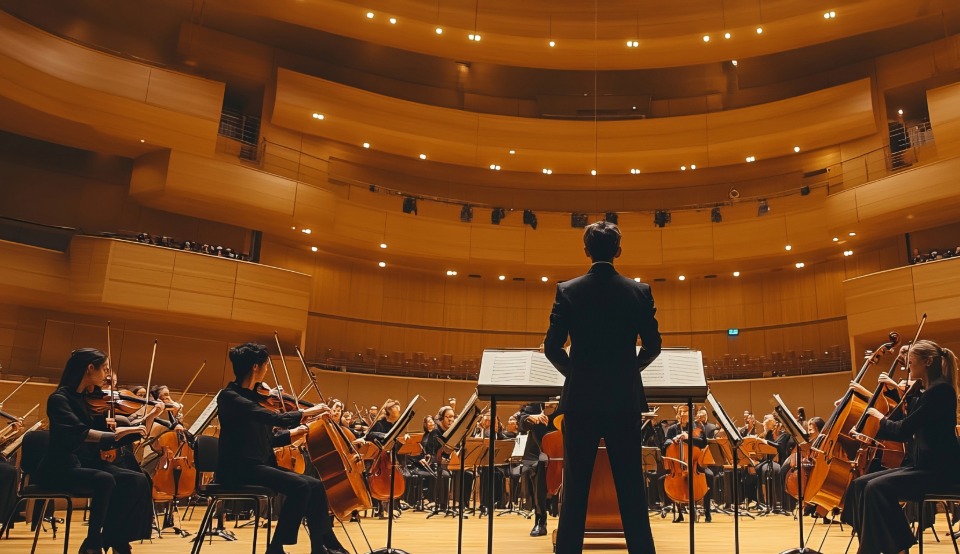
In an era defined by rapid technological advancement and increasing digital distractions, the search for effective strategies to optimize human potential has never been more critical. Among the myriad of methods proposed to enhance mental acuity and emotional resilience, one practice stands out for its profound, scientifically validated impact: musical training. Far from being merely an artistic pursuit or a leisure activity, learning music is a comprehensive neurological exercise that fundamentally alters the architecture of the mind. Research in music neuroscience and developmental neuroscience has consistently demonstrated that engaging with musical instruments does not just refine artistic ability; it acts as a potent catalyst for brain development and cognitive development.
The relationship between music and the brain is intricate and bidirectional. When an individual engages in musical practice, they are not simply memorizing notes or rhythms; they are engaging in a complex, multi-sensory process that demands the simultaneous coordination of auditory, visual, and motor systems. This intense engagement drives neuroplasticity, the brain's remarkable ability to reorganize itself by forming new neural connections. Consequently, the "musician brain" exhibits distinct structural and functional differences compared to that of non-musicians, showcasing enhanced connectivity, improved processing speeds, and superior executive function. This guide explores the deep-seated benefits of music education, examining how playing an instrument influences brain function, supports child development, and fosters a lifetime of cognitive enhancement.
The Neuroscience of the Musician Brain: Neuroplasticity and Structural Change
At the heart of the benefits associated with musical training is the concept of neuroplasticity. Often referred to as brain plasticity, this is the brain's inherent capacity to adapt and reorganize in response to new experiences, learning, and environmental demands. Unlike a static organ, the brain is dynamic, and its structure can be physically altered by the activities we engage in regularly. When a child or adult undertakes the rigorous process of learning music, they are effectively sculpting their own neural pathways.
Research in music psychology indicates that the "musician brain" is characterized by significant enhancements in several key areas. First, there is often an increase in the volume of gray matter in regions associated with motor control, auditory processing, and sensory integration. Second, and perhaps more importantly, there is an enhancement in the white matter, which consists of the nerve fibers that connect different brain regions. This increased connectivity, particularly through the corpus callosum that bridges the left and right hemispheres of the brain, allows for more efficient communication between disparate brain networks. This structural integrity is crucial for integrated brain function, enabling the brain to process complex information more rapidly and accurately.
The effects of playing piano, guitar, or any other musical instrument require a sophisticated interplay of senses. A musician must read visual symbols (sheet music), translate them into auditory expectations, and simultaneously execute precise motor commands to produce the desired sound. This multi-modal integration is a powerful form of brain stimulation through music. It forces the brain to synchronize different sensory inputs and motor outputs in real-time, strengthening neural networks that support overall cognitive resilience. As noted in comprehensive studies on how musical training affects cognitive development: rhythm, reward and other modulating variables, these structural changes are not incidental but are direct consequences of the sustained cognitive and motor demands placed on the brain during musical practice.
Executive Function and Cognitive Control
One of the most significant outcomes of childhood music training is the enhancement of executive function. Executive functions are a set of higher-order cognitive processes that enable us to plan, focus attention, remember instructions, and juggle multiple tasks successfully. These include working memory, cognitive flexibility, and inhibitory control. In the context of learning music, these skills are not just utilized; they are rigorously trained.
The Role of Working Memory and Verbal Memory
Working memory is the cognitive system responsible for temporarily holding and manipulating information. In the realm of music, working memory is constantly engaged. A musician must hold the current phrase in mind, anticipate the next measure, monitor their own performance for errors, and adjust their technique accordingly. This continuous demand for working memory improvement translates directly to other domains of life. Children who engage in regular musical practice often demonstrate superior working memory capabilities, which are strongly correlated with success in academic subjects such as mathematics and reading comprehension.
Similarly, verbal memory, which involves the recall of spoken or written words, is significantly bolstered by music lessons. The rhythmic and melodic structures of music provide a mnemonic scaffold that aids in language processing. When children engage in rhythm training and rhythm and cognition exercises, they are essentially training their brains to process linguistic patterns more effectively. The connection between music and language is so profound that many speech therapists now incorporate music therapy into their practices to aid in language development for individuals with speech delays or learning disabilities.
Attention Control and Concentration Improvement
In a world saturated with digital notifications and multitasking demands, the ability to maintain focus is a rare and valuable skill. Musical training offers a structured environment that necessitates sustained attention. To play an instrument proficiently, a student must exercise intense attention control, filtering out irrelevant stimuli and focusing entirely on the task at hand. This practice leads to marked concentration improvement, a skill that is directly transferable to classroom settings and other professional environments.
Research in developmental neuroscience suggests that the attention control required in musical practice shares similarities with mindfulness meditation. Both activities require the individual to maintain focus on the present moment, regulating attention and reducing cognitive load. As a result, individuals who engage in regular musical practice often exhibit better attention spans and are more capable of sustaining concentration during prolonged or complex tasks. This enhanced attention control is a key component of the cognitive skills that underpin academic performance and daily functioning.
Academic Performance and the Intersection of Music and Learning
The correlation between musical training and academic performance is well-documented and robust. While music education does not directly teach the content of mathematics or reading, it enhances the underlying cognitive infrastructure that supports these subjects. For instance, the ability to recognize and predict patterns in music is closely linked to mathematical reasoning. Similarly, the auditory processing skills developed through learning music support language development and reading skills.
Reading Skills and Auditory Discrimination
Reading is a complex cognitive task that requires the brain to decode visual symbols and map them to specific sounds. This process, known as phonological processing, is heavily reliant on auditory discrimination—the ability to distinguish between subtle differences in sound. Musical training sharpens auditory discrimination, allowing individuals to more easily identify differences in pitch, timbre, and rhythm. This heightened sensitivity to sound translates directly to better reading skills, as individuals become more adept at recognizing phonemes and understanding the nuances of language.
Furthermore, the benefits of music education extend to vocabulary acquisition. The rhythmic structures of music provide a memorable framework for language, making it easier for individuals to retain new words and phrases. This is particularly evident in early childhood music training, where songs are often used as a primary tool for teaching letters and numbers, leveraging the power of music and memory to enhance retention.
IQ and Music: A Nuanced Relationship
The relationship between IQ and music has been a subject of considerable debate and research. While some studies suggest a direct correlation between musical training and higher IQ scores, others argue that the relationship is more nuanced. It is likely that music and intelligence are intertwined in a bidirectional manner. Engaging in musical practice enhances cognitive skills that contribute to overall intelligence, while individuals with higher cognitive abilities may find it easier to engage in complex musical tasks.
Intelligence development is not limited to IQ scores. It encompasses a wide range of abilities, including creativity, problem-solving, and emotional intelligence. Music education fosters these broader aspects of intelligence by encouraging divergent thinking and emotional expression. The effects of playing piano or learning a string instrument require not only technical proficiency but also creative interpretation, thereby fostering a more holistic form of intelligence development.
Motor Skills Development and Sensory Processing
Playing an instrument is a physical activity that demands precise motor control. The coordination required to press keys, pluck strings, or blow into a wind instrument engages both fine motor skills and gross motor skills. Fine motor skills development is particularly important in childhood, as it lays the foundation for tasks such as writing, drawing, and using tools.
The Impact on Fine Motor Skills
The effects of playing piano, for example, are profound for fine motor skills. Each finger must move independently yet in coordination with the others, requiring precise control and dexterity. This level of motor control is not only beneficial for playing the instrument but also for other activities that require hand-eye coordination. Children who engage in musical practice often demonstrate superior fine motor skills, which can enhance their performance in tasks such as writing and using tools.
Moreover, motor skills development through music is linked to sensory processing. The brain must integrate auditory feedback with motor output in real-time, a process that enhances sensory processing abilities. This integration is crucial for individuals with sensory processing disorders, as it helps them better understand and respond to their environment. The rhythmic and tactile feedback provided by musical instruments serves as a powerful tool for refining sensory processing and motor planning.
Emotional Development and the Reward System in the Brain
Beyond cognitive and motor benefits, music and the brain are deeply connected through emotional development. Music has the power to evoke strong emotions, and engaging with music can enhance emotional intelligence. The reward system in the brain, which includes the release of dopamine, is activated when individuals engage in pleasurable activities, such as playing music. This activation reinforces positive behaviors and motivates continued engagement in musical practice.
Music Therapy and Emotional Well-being
Music therapy is a clinical application of music that leverages these emotional benefits to support mental health and emotional development. By engaging in music therapy, individuals can process emotions, reduce stress, and improve mood. The emotional development fostered through music education can lead to greater empathy, self-awareness, and social connectedness.
The effects of playing piano or learning any musical instrument are not limited to the individual; they extend to social interactions. Group music-making, such as playing in an orchestra or band, requires collaboration, communication, and mutual respect. These social skills are essential for emotional development and contribute to an individual's overall well-being. Furthermore, the emotional regulation skills learned through music can help individuals navigate the challenges of daily life with greater resilience.
Rhythm, Cognition, and Auditory Processing
Rhythm is a fundamental element of music that plays a crucial role in cognitive development. Rhythm training and rhythm and cognition exercises enhance the brain's ability to process temporal information, which is essential for language processing and mathematical reasoning. The brain's internal clock, which is tuned through rhythm training, allows for more precise timing and coordination in various tasks.
Auditory Processing and Language Development
Auditory processing is the brain's ability to interpret and make sense of sounds. Musical training enhances auditory processing by sharpening the brain's ability to distinguish between different sounds and patterns. This enhanced auditory processing is closely linked to language development, as language is fundamentally a rhythmic and auditory phenomenon. Individuals who engage in musical practice often exhibit better language skills, including vocabulary, syntax, and comprehension.
The connection between rhythm and cognition is further supported by research in music neuroscience. Studies have shown that rhythm training can improve the brain's ability to process speech sounds, which is particularly beneficial for individuals with dyslexia or other learning disabilities. By enhancing auditory processing and rhythm and cognition skills, musical training can provide a powerful tool for supporting language development and academic success.
Practical Applications: Integrating Music into Daily Life
Given the extensive benefits of music education, it is essential to integrate musical practice into daily life. Whether through formal music lessons or informal home activities, engaging with music can have a profound impact on cognitive and emotional development.
Strategies for Parents and Educators
- Start Early: Early childhood music training is particularly effective for brain development. Engaging infants and toddlers in musical activities can lay the foundation for cognitive enhancement.
- Encourage Regular Practice: Consistency is key. Regular musical practice reinforces neural pathways and supports sustained cognitive improvement.
- Incorporate Rhythm Training: Activities such as clapping, drumming, and dancing can enhance rhythm and cognition skills, supporting language and motor development.
- Promote Group Music-Making: Encouraging individuals to play in groups fosters social skills and emotional development, enhancing the overall benefits of music education.
- Use Music for Learning: Integrating music into academic subjects can enhance engagement and retention. For example, using songs to teach mathematical concepts or historical events can make learning more memorable and enjoyable.
Frequently Asked Questions
1. How does musical training affect brain development?
Musical training enhances brain development by promoting neuroplasticity, the brain's ability to form new neural connections. It strengthens areas of the brain involved in auditory processing, motor control, and executive function, leading to improved cognitive skills and academic performance.
2. What is the relationship between IQ and music?
While music training does not directly increase IQ, it enhances cognitive skills such as working memory, attention, and pattern recognition, which contribute to overall intelligence. Research suggests a positive correlation between musical engagement and cognitive abilities, though the relationship is complex and influenced by various factors.
3. Can learning music improve memory?
Yes, learning music significantly improves both working memory and verbal memory. The continuous demand to remember notes, rhythms, and lyrics strengthens the brain's memory centers, leading to better recall and retention in other areas of life.
4. How does playing an instrument enhance attention span?
Playing an instrument requires sustained attention and concentration. The discipline of musical practice trains the brain to focus on tasks for extended periods, improving attention control and reducing distractibility, which benefits academic and daily activities.
5. What are the benefits of music education for children?
The benefits of music education include improved cognitive skills, enhanced academic performance, better motor skills, and stronger emotional development. It also supports language development, reading skills, and social skills through collaborative music-making.
6. How does rhythm training support cognitive development?
Rhythm training enhances the brain's ability to process temporal information, which is crucial for language processing and mathematical reasoning. It improves auditory discrimination and supports the development of executive function and attention control.
7. Can music therapy help with emotional development?
Yes, music therapy leverages the emotional power of music to support mental health and emotional well-being. It helps individuals process emotions, reduce stress, and enhance empathy and self-awareness, contributing to positive emotional development.
8. What is the role of auditory processing in learning music?
Auditory processing is essential for learning music, as it allows individuals to distinguish between different sounds, pitches, and rhythms. Enhanced auditory processing skills support language development, reading skills, and overall cognitive function.
9. How does the musician brain differ from the non-musician brain?
The musician brain exhibits enhanced connectivity between hemispheres, improved auditory processing, and stronger executive function. These differences are the result of neuroplasticity and the continuous engagement of multiple brain systems during musical practice.
10. Can musical training improve academic performance?
Yes, musical training is correlated with improved academic performance, particularly in subjects that require pattern recognition, language skills, and sustained attention. The cognitive benefits of music education support learning across various academic domains.
11. What is the impact of playing piano on fine motor skills?
Playing piano significantly enhances fine motor skills by requiring precise finger movements and hand-eye coordination. This development supports other tasks that require dexterity, such as writing and using tools.
12. How does music and learning intersect in early childhood?
Music and learning intersect in early childhood through activities that combine auditory, visual, and motor inputs. These activities support neural development, enhance cognitive skills, and foster emotional and social growth, laying a strong foundation for future learning.
Conclusion
The evidence is clear: musical training is a powerful tool for enhancing brain development and cognitive function. From improving working memory and attention control to boosting academic performance and emotional well-being, the benefits of music education are profound and far-reaching. By engaging in musical practice, individuals can develop the cognitive skills necessary for success in school and in life.
For parents, educators, and anyone interested in optimizing cognitive development, integrating music into daily routines is a simple yet effective strategy. Whether through formal music lessons, informal home activities, or music therapy, the effects of playing piano and other musical instruments can transform the way the brain functions.
To explore the comprehensive scientific evidence behind how musical training affects cognitive development, including the critical roles of rhythm and reward, we encourage you to read the detailed research available on how musical training affects cognitive development: rhythm, reward and other modulating variables. Engaging with this research can provide deeper insights into the transformative power of music and inspire you to embrace the benefits of music education for lifelong cognitive enhancement.